
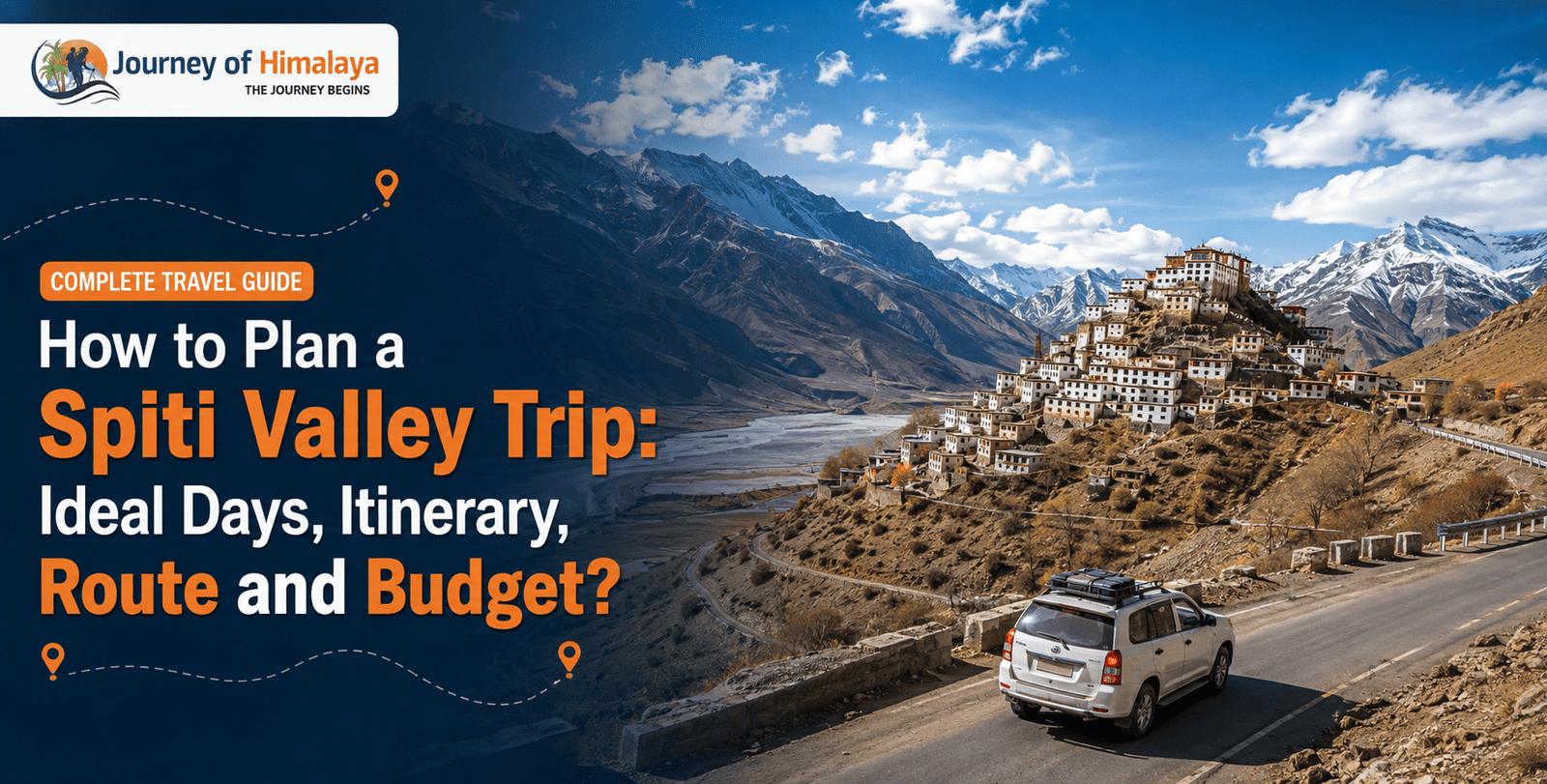
Planning a journey to Spiti Valley is very different from planning an ordinary hill station holiday. The region is known for its dramatic mountain landscapes, ancient monasteries, remote villages, high-altitude roads and unforgettable places such as Kaza, Key Monastery and Chandratal Lake. A well-planned Spiti Valley Tour Package can help travellers experience these destinations at a comfortable pace while considering travel time, road conditions, acclimatisation and budget. Whether you are travelling with family, friends, as a couple or in a group, understanding the ideal number of days and choosing the right route can make a significant difference to your overall experience.
The best way to plan the trip depends on how much time you have and where you want to begin your journey. Some travellers prefer entering through Manali for a shorter adventure, while others choose the longer Shimla and Kinnaur route for a more gradual introduction to high altitude. The existing routes offered by Journey of Himalaya range from shorter trips of around five to seven days to longer circuits that include Kinnaur, Kaza and Chandratal.
How Many Days Are Ideal for a Spiti Valley Trip?
For most travellers, seven to nine days is a comfortable duration for exploring Spiti Valley without rushing through the journey. This amount of time gives you an opportunity to travel through changing Himalayan landscapes, spend time in Kaza and visit important attractions such as Key Monastery, Kibber, Hikkim, Komic, Langza and Chandratal Lake. A shorter trip can be planned in five to six days, but the itinerary will naturally be more compact and may focus mainly on the Manali to Kaza side of the region.
Travellers with more time can choose a longer circuit of eight to ten days or even more. This is particularly suitable for those who want to travel through Shimla, Sarahan, Sangla, Kalpa, Nako and Tabo before entering the heart of Spiti. A longer journey also gives the body more time to adjust to increasing altitude. Journey of Himalaya currently presents both shorter Manali-side itineraries and longer Kinnaur–Spiti routes, allowing travellers to choose according to their available days and preferred travel style.
Choosing the Right Route for Your Journey
One of the most important decisions while planning this trip is selecting the route. The Manali route and the Shimla route provide very different experiences, and each has its own advantages.
The Manali side is generally preferred by travellers with limited time. A journey can begin in Manali and continue towards Kaza, with opportunities to explore the villages and attractions around the region before including Chandratal Lake in the itinerary when road conditions and the travel season permit. The Manali to Kaza Chandratal lake tour Package route is suitable for travellers who want to focus on the adventure of high mountain roads and cover major Spiti attractions within a shorter holiday.
The Shimla side offers a slower and more gradual approach. Instead of quickly gaining altitude, travellers move through destinations such as Sarahan, Sangla and Kalpa before reaching places including Nako, Tabo and Dhankar. This route can be more comfortable for those who want additional time for acclimatisation and sightseeing. A longer Kinnaur and Spiti tour package can combine the cultural landscapes of Kinnaur with the dramatic terrain of Spiti, creating a more complete Himalayan circuit.
For travellers who want to begin their journey from Shimla, Shimla to Spiti tour packages can be a practical choice, especially when the goal is to travel at a more relaxed pace. The Journey of Himalaya page also highlights this route as a scenic option with a gradual altitude build-up before reaching Kaza.
A Comfortable Itinerary for a First-Time Traveller
A well-planned itinerary should never focus only on covering the maximum number of places. Spiti is best experienced when there is enough time to enjoy the road journey, take breaks and adjust to the altitude. A seven to nine-day trip can offer a good balance between sightseeing and comfort.
The journey can begin with travel towards the Kinnaur region if you are following the longer circuit. After exploring the scenic valleys and mountain towns on the way, the route can continue towards Nako and Tabo. These places introduce travellers to the cultural and spiritual side of the region, with old monasteries and landscapes that become increasingly dramatic as the journey moves deeper into the Himalayas.
The next part of the trip can include Dhankar and Kaza. Kaza works as an important base for exploring nearby destinations and can be a good place to spend additional time rather than changing hotels every day. From here, travellers can visit Key Monastery, Kibber, Chicham Bridge, Hikkim, Komic and Langza. Each destination offers a different experience, from ancient monasteries and traditional villages to wide open views of the cold desert.
If the travel season and route conditions are favourable, Chandratal Lake can be added to the journey. The lake is one of the most memorable parts of a Spiti trip and is especially popular with travellers who want to experience the region’s high-altitude landscapes. Journey of Himalaya includes Chandratal in several of its longer and Manali-side routes.
What Are the Must-Visit Places in Spiti Valley?
Kaza is usually one of the central destinations of the journey. It serves as a convenient base for exploring nearby attractions and gives travellers access to several famous villages. Spending adequate time here makes the itinerary more comfortable and avoids unnecessary rushing.
Key Monastery is among the most recognised landmarks in the region. Its location, cultural importance and views make it an important stop for many visitors. Nearby areas such as Kibber and Chicham add another dimension to the trip, with traditional mountain settlements and dramatic landscapes.
Hikkim, Komic and Langza are also popular among travellers exploring the higher villages around Kaza. These destinations are often included together because of their location and can be covered during local sightseeing. Langza is especially known for its large Buddha statue and unique mountain surroundings, while Hikkim and Komic add to the experience of travelling through some of the highest inhabited areas of the Himalayas.
Tabo and Dhankar are particularly suitable for travellers interested in monasteries and the cultural heritage of the region. Their landscapes and historical atmosphere provide a contrast to the more adventure-focused parts of the journey. Chandratal Lake, meanwhile, is often one of the highlights for those travelling during the season when access is possible.
When Is the Best Time to Visit Spiti Valley?
The best time depends largely on the kind of experience you want. The main travel season generally offers better access to many routes and attractions, making it suitable for sightseeing and longer road journeys. The Journey of Himalaya page identifies May to October as a favourable period for regular travel, while winter trips provide a very different experience with snow-covered landscapes and limited route options.
Summer and early autumn are usually preferred by travellers who want to explore more places in a single trip. This period can be suitable for visiting Kaza and nearby villages and, depending on road access, including Chandratal Lake. Because mountain weather and road conditions can change, travellers should avoid planning an extremely tight schedule.
Winter is for those looking for a completely different kind of Himalayan journey. Snow-covered villages, colder temperatures and challenging road conditions make winter travel more specialised. It is important to choose an itinerary suited to the season rather than expecting the same circuit to remain accessible throughout the year.
How to Plan Your Budget for the Trip
The budget for a Spiti journey can vary according to the number of days, group size, hotel category, mode of transport and route selected. A shorter journey through the Manali side may have a different cost structure from a longer circuit covering Shimla, Kinnaur and Spiti. Private transport, accommodation choices, meals, permits and camping arrangements can also affect the final cost.
Travelling in a group can sometimes make transportation expenses more manageable because the cost can be shared. On the other hand, couples and families may prefer a more customised journey with private travel and flexible stays. The best approach is to decide your comfort level before selecting the itinerary.
It is also wise to keep some additional money aside for personal expenses, snacks, shopping and unexpected changes caused by weather or road conditions. The most affordable trip is not always the best option if the itinerary is too rushed. A properly designed route that includes suitable stops and realistic travel times can offer much better value.
Should You Choose a Package or Plan the Trip Independently?
Independent travel may appeal to experienced travellers who are comfortable managing transport, stays and changing mountain conditions. However, Spiti is a remote destination where planning multiple stays and coordinating travel can require considerable preparation. Travellers visiting for the first time may find an organised journey more convenient.
A professional travel planner can help select the route according to the number of available days, travel season and group requirements. This is especially useful when combining multiple destinations or planning a journey with family members. Journey of Himalaya offers customized Himalayan itineraries and route options that include shorter Manali-side journeys as well as longer circuits through Kinnaur and Shimla.
If you are travelling from Punjab or the nearby region, working with experienced Travel Agents in Chandigarh can also make planning easier, particularly when transport, hotel stays and a complete route need to be arranged together. The most important factor is to choose an itinerary that matches your available time instead of trying to include every destination in a short holiday.
Important Things to Remember Before You Travel
Altitude is one of the biggest factors to consider while planning the trip. Moving too quickly to higher elevations can make travellers uncomfortable, which is why a well-designed route and adequate rest are important. The Journey of Himalaya page specifically recommends planning a rest day in Kaza before heading towards higher points such as Kunzum Pass or Chandratal.
Packing should also be based on changing mountain conditions. Even during warmer months, mornings and evenings can be cold, and weather can change quickly. Comfortable warm clothing, suitable footwear, personal medicines and essential travel items should be prepared in advance. Mobile connectivity and facilities may also be limited in remote areas, so travellers should be prepared for a more disconnected travel experience.
Another important part of planning is keeping the itinerary flexible. Road conditions in the Himalayas can change due to weather, landslides or other local factors. Instead of scheduling every hour of the trip, it is better to allow some buffer time.
How to Choose the Best Duration and Route
If you only have five to six days, focus on a shorter route rather than trying to complete the entire circuit. A Manali-based itinerary can be more practical for limited time, with Kaza and selected nearby attractions forming the main part of the trip.
If you have seven to nine days, you can enjoy a more complete experience. A Spiti tour package from Chandigarh can be designed around a longer Himalayan circuit, depending on the starting point and preferred route. This duration can provide enough time to include Kinnaur or Manali along with the major attractions of Spiti.
Travellers with eight to ten days or more can take a slower approach through Shimla and Kinnaur before entering Spiti. This is often a better choice for those who enjoy long road journeys and want to experience the changing landscapes from green valleys to the stark beauty of the cold desert.
Final Thoughts
A memorable Spiti journey is not about travelling as fast as possible or checking off the maximum number of places. It is about choosing the right number of days, following a realistic route, allowing time for acclimatisation and enjoying the landscapes along the way. Whether you choose the Manali side for a shorter adventure or the longer Kinnaur and Shimla circuit, proper planning can make the journey safer, more comfortable and more enjoyable.
The ideal itinerary should match your travel season, budget and available days. For first-time visitors, seven to nine days can offer a balanced experience, while shorter trips should focus on fewer destinations. With the right route, comfortable stays and enough time to experience places rather than simply pass through them, a Spiti Valley Tour Package can become one of the most rewarding Himalayan journeys you will ever take.
Frequently Asked Questions
How many days are enough for a Spiti Valley trip?
Seven to nine days are generally ideal for a comfortable trip covering major destinations. A shorter journey can be completed in around five to six days, while a longer itinerary allows travellers to include Kinnaur, Shimla and additional sightseeing.
Which route is better for a Spiti Valley trip, Manali or Shimla?
The Manali route is generally better for travellers with limited time, while the Shimla route offers a more gradual journey through Kinnaur and can provide additional time for acclimatisation. The best route depends on your available days and travel preferences.
What is the best time to visit Spiti Valley?
The main travel season is generally from May to October, when more routes are accessible. Winter travel offers a different experience with snow-covered landscapes, but travellers should choose an itinerary suitable for winter conditions.
Is Chandratal Lake included in every Spiti trip?
No. Chandratal Lake is usually included depending on the season, road accessibility and chosen route. It is commonly part of selected longer and Manali-side itineraries.
Is a Spiti Valley trip suitable for families?
Yes, families can enjoy the journey with proper planning, suitable accommodation and a comfortable itinerary. Choosing a route with adequate rest and acclimatisation time is especially important.
What are the main places to visit in Spiti Valley?
Popular places include Kaza, Key Monastery, Kibber, Chicham Bridge, Hikkim, Komic, Langza, Tabo, Dhankar and Chandratal Lake. The final itinerary should depend on the number of days and the route selected.
How much does a Spiti Valley trip cost?
The cost depends on the duration, group size, accommodation category, transport and inclusions. A shorter trip may cost differently from a longer Kinnaur–Spiti circuit, so it is best to choose an itinerary according to your budget and travel requirements.
Can I plan a Spiti trip from Chandigarh?
Yes, Chandigarh can be a convenient starting point for travellers planning a Himalayan journey. Depending on the selected route and duration, the trip can continue towards Shimla and Kinnaur or be planned around other suitable travel connections.
Should I book a tour package for Spiti Valley?
A package can be convenient for travellers who want transport, accommodation and route planning arranged in advance. It can be particularly helpful for first-time visitors who prefer a more organised Himalayan travel experience.