

Packing up for Spiti requires more than just a warm jacket. The walk can be uncomfortable without the appropriate footwear, damp socks, and lack of necessities, as well as cell phone batteries, which could be dead in the cold. One must know what to pack for Spiti Valley depending on the date on which he/she will visit, the activity he/she will be engaged in and the place where he/she will stay overnight. A guide on how to pack the handy clothes and shoes and electronic gadgets that will not require excess luggage and equipment is it.
Match your Packing with Overnight Stops and Outdoor Activities
The weather conditions in Delhi or Chandigarh should not be taken into consideration when packing for the trip. Check weather forecasts of any location where you might be spending the night and sightseeing. Things can vary from one place to another and the weather can vary greatly from daytime sightseeing to early mornings. If you are travelling in winter, read our guide on Spiti Valley winter stays, heating, and toilet facilities to pack according to your homestay conditions.”
Your clothing needs are also affected by your activities. A person who only intends to spend some considerable time in his car will not need as many outdoor specialities as someone who will spend his time walking, taking pictures, or being on an open lookout. Thick clothes come in particularly handy when it comes to getting in and out of the house in the early morning and late in the evenings.
When thinking of travelling, ask your travel company what they are sure of doing, how much walking they expect you to do and what you will be walking on (paved path, loose stones, mud or snow). Plan according to these as opposed to buying expensive equipment because of the association of Spiti with cold weather.
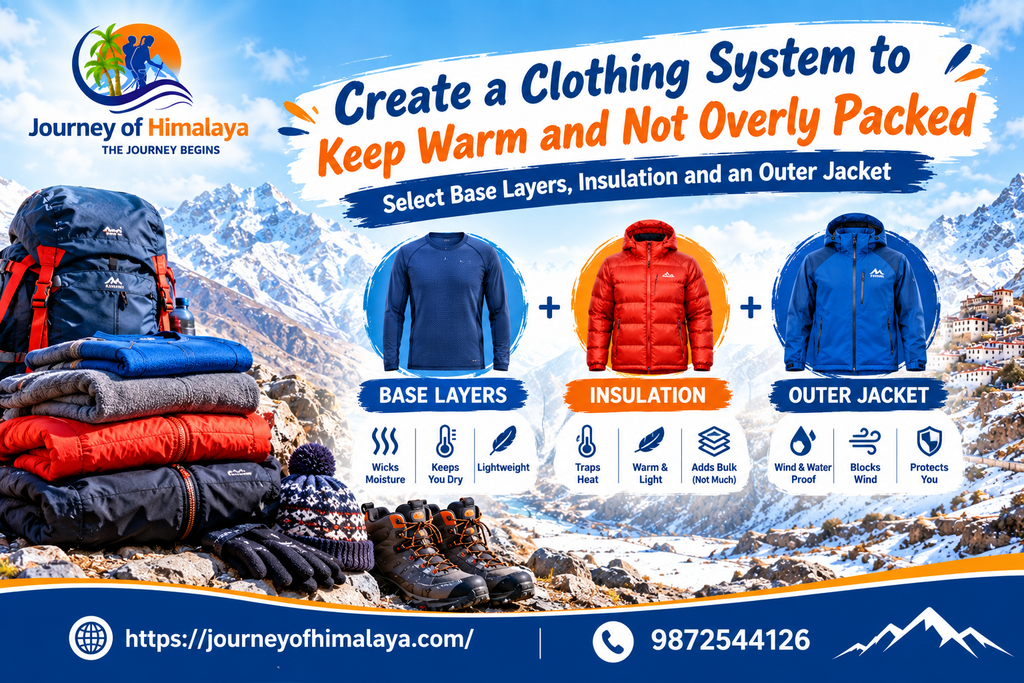
Create a Clothing System to Keep Warm and Not Overly Packed
Select Base Layers, Insulation and an Outer Jacket
A three-layer clothing system is practical. There is a base layer that helps to deal with moisture in contact with the skin, a middle layer that is insulation and lastly an outer layer that is designed to be wind and water resistant depending on the jacket specifications.
Thermal tops, appropriate synthetic materials and wool are helpful options. Fleece provides light weight insulation and an outer jacket selected correctly has an added layer of protection. Do not use only cotton for activities where sweating or getting wet is likely, since sweaty or wet cotton clothing can stay unpleasant and doesn’t retain much of its insulating properties. Additional information provided by the US National Park Service about preparing for winter weather.
Before you travel, inspect your jacket for the layers you will be wearing. It may be too tight or it may disrupt your shoulder’s movement and will not be comfortable to wear as part of your clothing. Choose items that can easily be added or removed as needed. Before packing for a Spiti Valley tour package, confirm your overnight stops and planned outdoor activities. Choose clothing layers accordingly.

Have Spare Clothing, Gloves and Headwear Available
When packing a large suitcase, it’s easy to forget to pack gloves, a warm hat and a neck covering. Store them in an easily accessible area of your day bag so you can add them on before leaving the house during a cold stop.
Select your clothing items based on how long your trip will last, how comfortable you want to be and access to washing clothes. The amount needed is different for a short distance with solid drying provision, compared to a long distance with multiple overnight stops. Do not presume that all items can be washed and dried overnight.
Keep Sleeping Clothes Separate from Outdoor Clothing
Have a clean, dry pair of pajamas just for when you sleep. Keep a separate set of dry sleeping clothes so you can change out of damp outdoor clothing.
Keep wet socks and clothes in your own waterproof or moisture-resistant bag. Even if your room has a heater or air drier, the conditions in which your clothes dry may not be the same. Never rely on damp clothes being ready in the morning, but always carry extras.
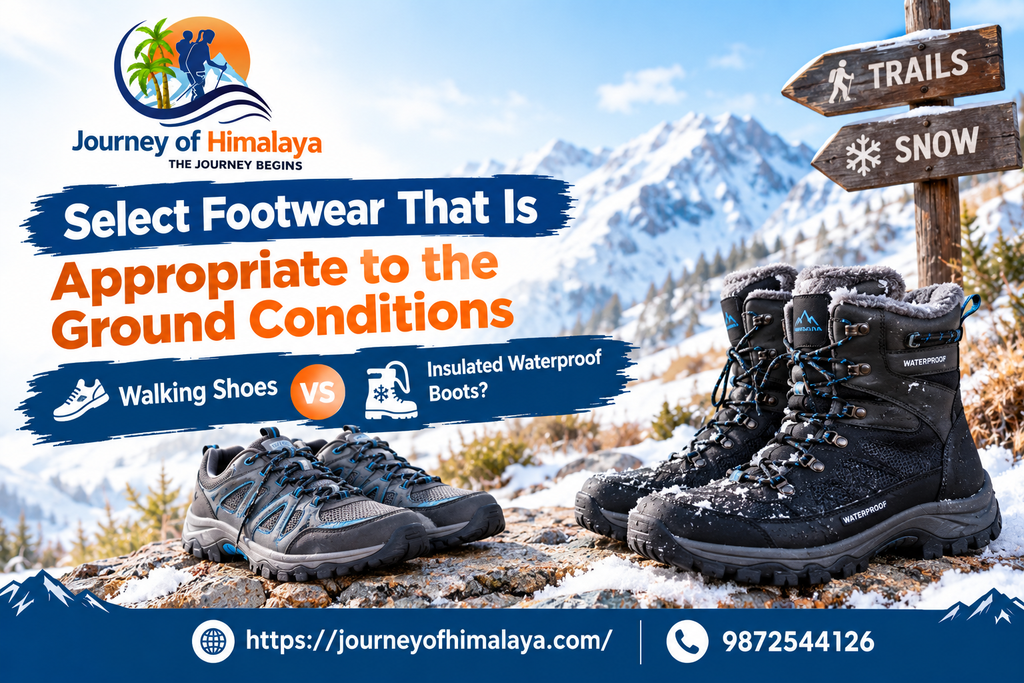
Select Footwear That Is Appropriate to the Ground Conditions
Walking Shoes vs Insulated Waterproof Boots?
Choosing the right footwear is essential, depending on the kind of surfaces you will be on. Dry roads, paths and vehicle sightseeing can be comfortable for walking shoes. If there’s a risk of snow, slush or extended exposure to wet conditions, additional insulated waterproof boots may be needed.
Take three different features into account: waterproofing to prevent water from entering, insulation to keep things warm and traction to keep it moving. The presence of one doesn’t automatically mean the presence of the others.
Look at the product specifications, don’t buy a footwear just because it’s called waterproof.
Special snow boots for each trip are not essential. Before you make that choice, read the forecast and anything planned for activities and advice from your local travel operator.
Fit Before Adding Thick Socks
Test shoes with the same socks as to wear on the journey. The space between your toes should be adequate but must not allow too much freedom of movement that results in rubbing. A pair of tight shoes can be uncomfortable by building up pressure if the socks are too thick.
Wear new footwear with a few short walks before leaving. This will make it easier to notice the rubbing and heel movement or pressure points when still time to adjust.

Manage Wet Socks and Muddy Footwear on the Journey
Always have extra dry socks somewhere that is easily reached, rather than all in the main bag. Change wet clothing immediately and separate wet clothing from clean clothes.
Look for mud or snow on your soles, which can impact traction. However, no boot, no matter how well designed, can prevent slipping off on ice or on compacted snow. Walk carefully and use stable handrails where available. Avoid icy paths if you lack suitable footwear or traction equipment.
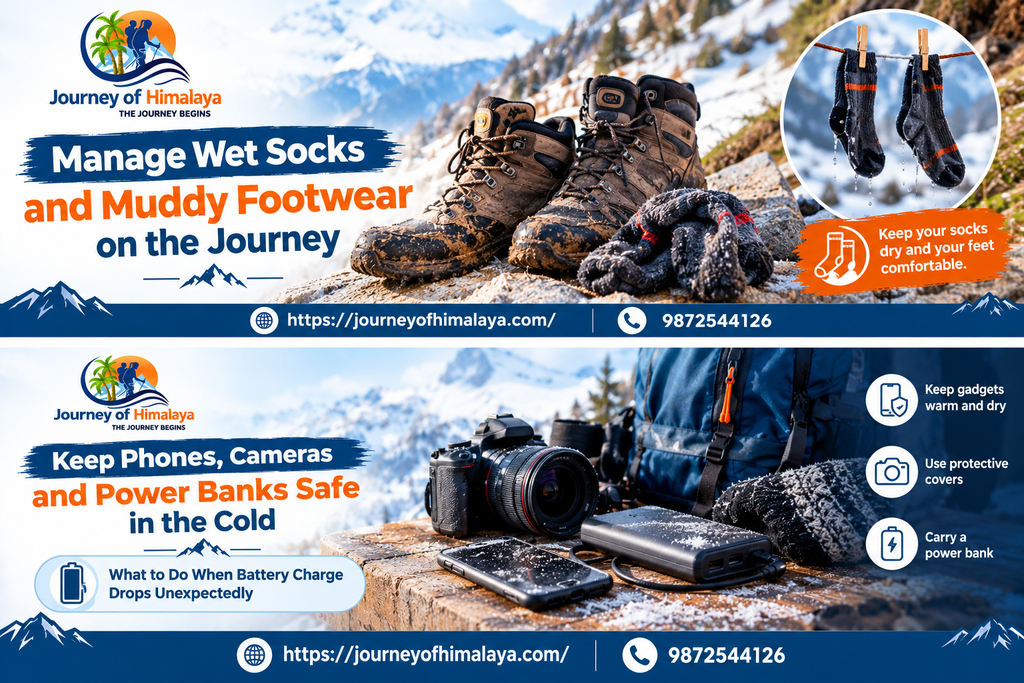
Keep Phones, Cameras and Power Banks Safe in the Cold
What to Do When Battery Charge Drops Unexpectedly
Lithium-ion batteries experience a performance decrease during colder weather. The charge level may drop for no apparent reason or the device may shut down suddenly. It doesn’t always mean the battery has been permanently damaged.
Dry and protect electronics from prolonged exposure to cold. Always follow manufacturer operating and storage temperature recommendations, especially with a temperature warning on the device itself.
iPhone owners should review Apple’s advice on using devices in cold temperatures before they go.
Bring Spare Batteries and Charging Equipment That Is Compatible
Test before leaving home, charging cables, adapters and power bank. Check that each charger and cable is compatible with your devices.
For those who are planning to shoot for long hours outdoors, camera photographers should think about having a spare camera battery that is compatible with their camera, and a camera case for protection. Store spare batteries away from moisture and in accordance with the manufacturer’s instructions.
Don’t expect a specific power bank to charge your phone a set number of times. Its actual performance will depend on its usable capacity, conversion losses, receiving device and environment.
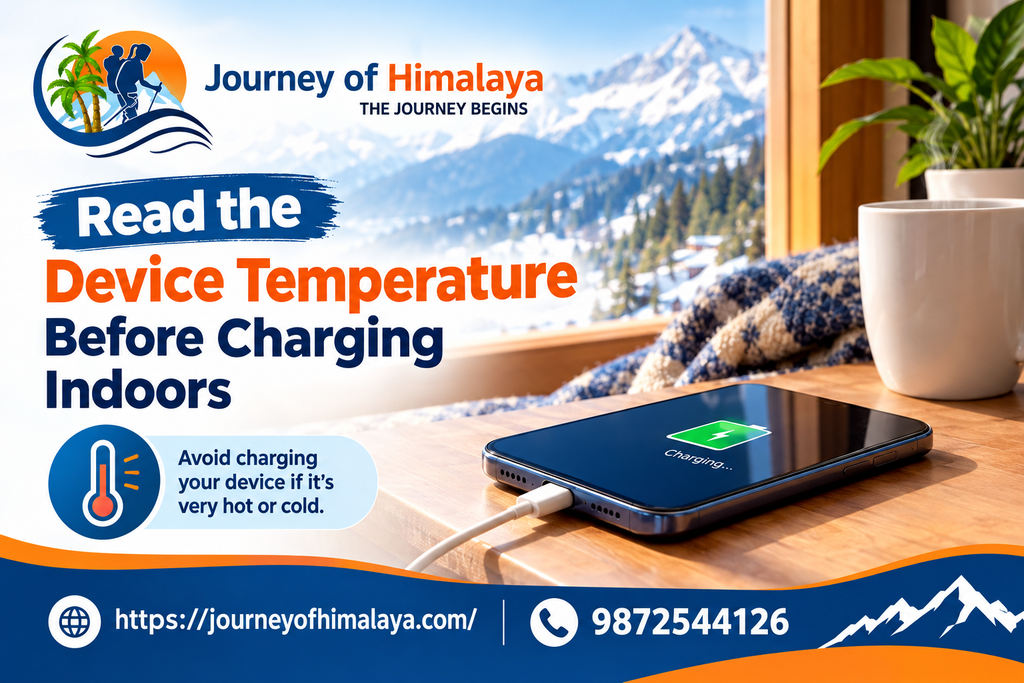
Read the Device Temperature Before Charging Indoors
Follow any temperature warning. Let a cold device return gradually to the manufacturer’s recommended charging temperature before charging. Avoid warming off a heater, stove or other direct heat source by leaving a cold phone by it.
Use a dry and stable surface to charge equipment on an adequate surface with good ventilation. Before connecting a cable, ensure that the charging port and connectors are dry. If the device or battery is swollen, damaged or unusually hot, stop using, and consult appropriate service advice.
Pack a Day Bag for Long Drives & Unexpected Delay
Accessing the main luggage after it is placed into a vehicle may become difficult. Have a separate daypack to keep with all necessary items for the road trip.
Bring personal medication and/or ID, snacks, drinking water, warm layers, and gloves. Use a leakproof water bottle and keep it separate from electronics.
Store booking verification, accommodation information and relevant contact information for off-line. It is also helpful to have a small paper copy of key information if your phone runs out of battery or the Internet connection goes out.
In family vacations, store each person’s ready-to-use clothing in an easy-to-reach compartment. Children’s extra layers are especially not to be stacked underneath the group’s main luggage. Have the items you regularly use within easy reach without having to unpack the entire box.

Check the Luggage Space and Equipment Before Boarding
Before you make your purchases, verify the maximum number and size of bags allowed with your travel company. Vehicle size may affect the amount of luggage that each passenger can comfortably carry.
Ask if jackets, in particular, and other equipment are part of your confirmed booking or if they need to be arranged separately. When considering hiring equipment, inquire about equipment sizes, condition, collection site and extra fees.
Don’t expect transport, special clothing, or outdoor equipment to be provided. No last-minute buying and unnecessary duplication because of confirming these details.
Don’t finalize your packing list until you have verified with Journey of Himalaya regarding the arrangements of luggage and equipment that is part of the Spiti Valley Holiday.

Packing Check Before Leaving Home
Before you travel out, make sure you don’t leave anything out by using this handy checklist.
| Category | Final check |
| Clothing | Layer fit, gloves, cap and dry spare clothes |
| Footwear | Comfortable fit, sole condition and spare socks |
| Electronics | Tested cables, charged devices and protective cases |
| Documents | Identification, booking details and offline contacts |
| Luggage | Accessible day bag and confirmed luggage space |
Share your travel dates, planned activities and luggage requirements with Journey of Himalaya when planning your trip. Need help finalizing your gear or custom itinerary?
📲 Chat with Our Local Himalayan Experts on WhatsApp (+91 9872544126)
Frequently Asked Questions:
Q1. Can I do a Spiti trip outside winter without wearing any thermal clothing?
Thermal clothing can be beneficial at other times of the year too, particularly in the morning or evening when temperatures can drop or if you are out for longer than anticipated. Review the weather forecasts for the overnight locations and select the layers for your dates, forecasted temperature and time outside.
Q2. Do regular walking shoes work in Spiti or should I bring snow boots?
Routine walking on dry paths and sightseeing may be successfully carried out by comfortable walking shoes. For snow or slush, check waterproofing, warmth and grip. Icy paths may require suitable traction aids. Always check what is likely to happen before you have to wear special shoes to be able to take part in the trip.
Q3. What to do if your phone doesn’t start charging after exposure to freezing temperatures?
Look for temperature alerts and consult your manufacturer’s instructions. Wait before making another attempt until it has reached a proper temperature. Do not place it in heaters or stoves to heat rapidly, and do not allow it to get wet.
Q4. What are some things I should keep in my day bag when traveling from Spiti?
Have warm layers, gloves, water, snacks and personal medicines readily available, as well as identification and offline booking information. Have important contact numbers written down as well as on your phone, in case your phone is lost.