
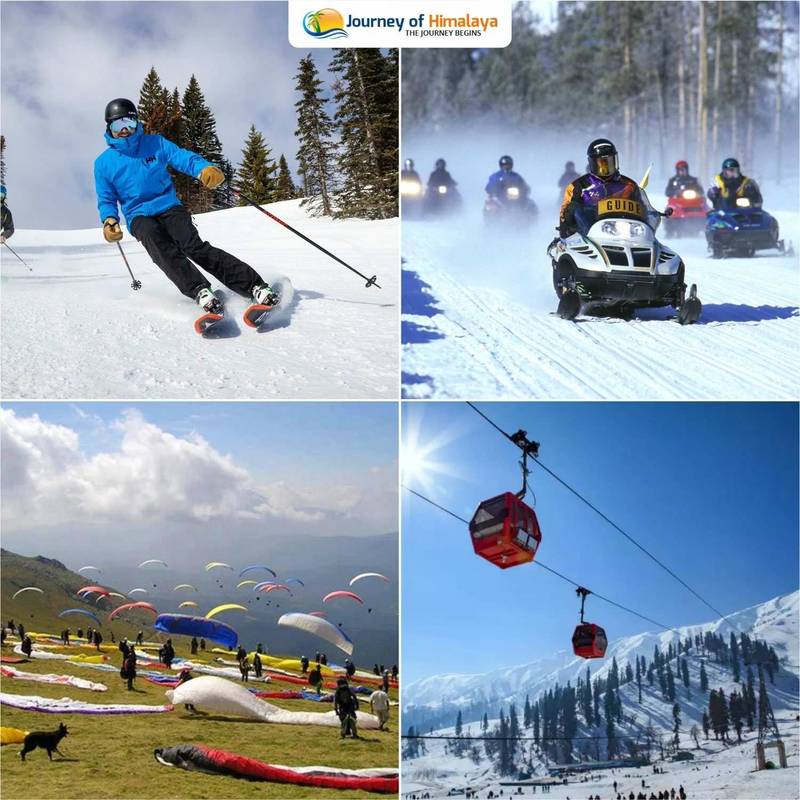
A memorable Manali holiday begins with a plan that matches your travel dates, available days and budget. Decide which experiences matter most to you, such as local temples, Mall Road, Old Manali, Solang Valley or seasonal adventure activities. Allow enough time for mountain travel, sightseeing and rest instead of adding too many places to one day.
Your itinerary should also reflect who is travelling. Families may need accessible hotels, suitable meals and shorter sightseeing hours. Couples may prefer a quiet location and leisure time, while groups should confirm room sharing, vehicle capacity and luggage space.
When comparing a Manali Tour Package, check the hotel, meals, transport, pickup points and sightseeing included in the price. Journey Of Himalaya can help arrange these services around your confirmed requirements. Request the final itinerary, exclusions, additional charges and cancellation terms in writing before booking.
Which Manali Experiences Suit Your Travel Style?
Your ideal Manali experience depends on your group, interests and preferred travel pace. Families with children or senior travellers should choose shorter sightseeing routes and allow regular breaks. Check whether the hotel has direct cab access, a lift and limited stairs. Also confirm the walking distance at temples, markets and viewpoints.
Couples may prefer a quiet hotel with mountain views and more leisure time. Staying near Mall Road provides easier access to shops and cafés, while hotels outside the centre may require additional transport.
Friends can plan longer outings to Solang Valley or Kullu and consider seasonal adventure activities. Before booking, check activity charges, fitness requirements, age or weight limits and weather conditions. Do not place several distant attractions on the same day. A practical Manali sightseeing plan should balance travel time, walking, meals, activities and rest for everyone in the group.
What Should Your Manali Package Include?
Do not select a Manali package only because the displayed price looks low. Check the accommodation first. Your quotation should mention the hotel name, room type, sharing basis and number of nights. It should also list the included meals. Ask if early check-in, an extra bed or a room heater costs more.
When reviewing a Manali budget trip package from Delhi, check the complete transport plan. Confirm the Volvo journey, boarding details and Manali pickup and dro. Ask whether the sightseeing cab is private or shared. Make sure the vehicle has enough seats and luggage space.
Some services may cost extra. These can include adventure activities, entry tickets, snow clothes, guides and additional cab trips. Also ask about waiting charges, extra kilometres and route changes. Get the final Manali package inclusions, exclusions, total price and cancellation terms in writing before making payment.
How Can You Group Sightseeing Stops Without Rushing?
Build your Manali sightseeing itinerary by location instead of adding unrelated places to one day. Hadimba Temple and Old Manali can be covered in the same local route. Keep time for parking, walking and a meal break. If the group is comfortable, add one nearby attraction rather than travelling across town again.
Plan Solang Valley on a separate day because it lies on a different route. Traffic, weather, activity queues and equipment fitting can affect the schedule. Even without activities, allow enough time to enjoy the valley and return before the day becomes tiring.
Keep the Kullu outing separate from Solang Valley. Kullu requires travel in the opposite direction from Manali. Confirm the planned stops, cab waiting time and return schedule in advance. Leave a buffer for traffic, meals and rest. This approach reduces repeated driving and makes each sightseeing day easier to manage.
What Can You Change in a Manali Itinerary?
You can customise a Manali itinerary according to your budget, travel dates and preferred pace. A hotel near Mall Road may provide easier access to shops and cafés. A quieter hotel outside the centre may offer more privacy but require extra cab travel. Changing the hotel category, room type or location can affect availability and the final Manali trip cost.
You may also add an extra night or change the room-sharing arrangement. More nights provide additional time for sightseeing and rest, but hotel, meal and transport costs may increase. Double, triple and family rooms can have different per-person prices. Confirm child charges and extra-bed costs in advance.
Sightseeing stops can be added, removed or rearranged when the route and local conditions allow. Private transport offers more timing flexibility, while shared transport normally follows a fixed schedule. Request a revised itinerary and written quotation after every change.
What Should Families and Groups Confirm Before Booking?
Small details can make a big difference when several people travel together. Start with the rooms. Ask how the hotel defines a child and what age-based charges apply. Find out whether an extra bed means a proper bed or only a mattress. For a large group, request the room allocation in advance so everyone knows where they will stay.
Next, check the vehicle included in your confirmed Manali family trip. Count both the passengers and their bags. A cab can have enough seats but still feel cramped once the luggage is loaded. Confirm the pickup point and daily departure time as well.
Walking is another detail that is easy to miss. Ask about hotel stairs, lift access, parking distance and walking at sightseeing stops. This is especially useful when children, senior citizens or travellers with limited mobility are part of the group.
What to Confirm Before Finalising Your Manali Trip
Before finalising your Manali trip, compare the quotation with the itinerary you approved. Confirm the final price, hotel, room category, meals, vehicle, pickup points, and sightseeing schedule. Make sure the traveller count and number of nights are correct.
Review all exclusions before paying. Entry tickets, activities, room heaters, and extra cab travel may cost more. Read the payment deadlines, cancellation charges, and refund conditions carefully. Ask Journey Of Himalaya to include every agreed change in the final booking document.
Frequently Asked Questions:-
Q1. What Is the Best Time to Visit Manali?
April to June usually works well for sightseeing, local walks and outdoor visits. Winter suits travellers who enjoy colder conditions and hope to experience snow. However, snowfall varies by date and location. Check recent weather and road updates before finalising your travel plan.
Q2. How Many Sightseeing Days Should You Plan in Manali?
Plan three full sightseeing days after reaching Manali. Keep one day for local attractions, one for Solang Valley and one for a selected nearby outing. Add another day for activities, rest or weather delays. Overnight bus journeys should be counted separately from sightseeing days.
Q3. Can I Customise My Manali Itinerary Before Booking?
Yes. Travellers can request changes to the hotel category, room sharing, trip length, sightseeing stops and private or shared transport. Each change may affect price and availability. Route access and weather can also limit certain plans. Confirm the revised cost, inclusions and day-wise schedule in writing before payment.
Q4. What Activities Can Travellers Include in a Manali Itinerary?
Travellers can visit temples, explore Mall Road and Old Manali, enjoy cafés, take photographs or plan short walks. Paragliding, skiing, rafting and trekking depend on season, weather, operating permissions and participant eligibility. These activities usually cost extra, so confirm fees and safety requirements before booking.
Q5. Is Manali Suitable for Families and Groups of Friends?
Yes, but the same Manali itinerary may not suit every family or group. Families with children or older travellers should plan more rest and choose easy-access hotels. Friend groups should confirm room allocation, vehicle capacity and activity costs. Match each outing to the group’s mobility and interests.